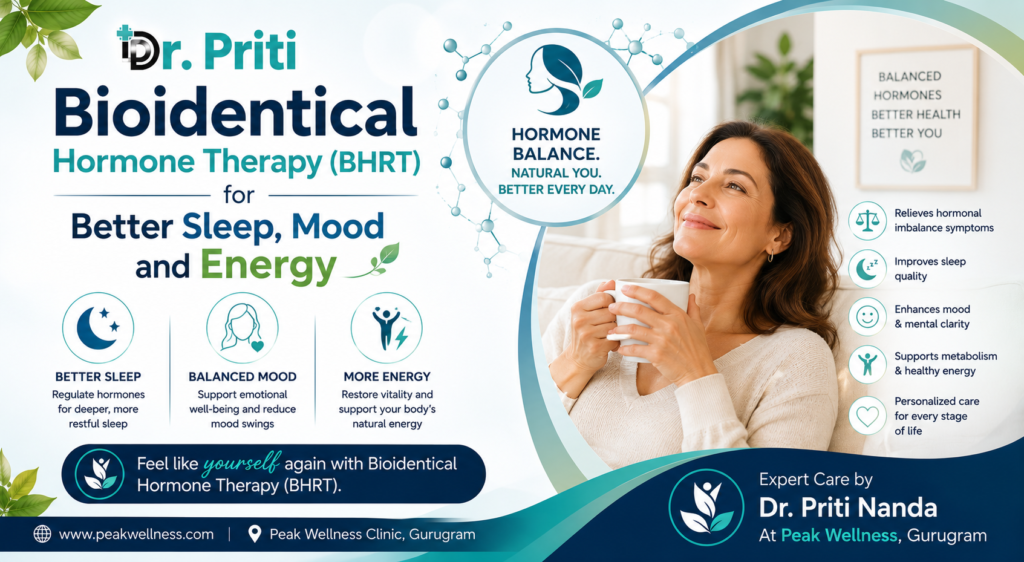
Modern lifestyles have changed the way many people experience health and wellness. Stress, poor sleep, unhealthy eating habits, hormonal fluctuations, lack of physical activity and increasing mental pressure can gradually affect the body’s internal balance. Over time, many individuals begin noticing constant fatigue, low motivation, poor sleep quality, mood swings, irritability, brain fog and reduced energy levels.
These symptoms are often ignored because people assume they are simply part of ageing or a busy lifestyle. However, in many cases, the body may actually be signaling hormonal imbalance.
This growing awareness is one reason why more people are now exploring Bioidentical Hormone Therapy (BHRT) as part of a personalized wellness approach focused on improving overall quality of life.
Understanding Hormonal Balance
Hormones act as chemical messengers that influence several important body functions, including:
- Sleep patterns
- Mood regulation
- Metabolism
- Stress response
- Mental clarity
- Energy production
When hormone levels become imbalanced, the body may start showing symptoms that affect both physical and emotional well being.
Because hormones influence so many body systems together, even small imbalances may affect day to day life significantly.
Common Signs of Hormonal Imbalance
Hormonal changes can affect individuals differently, but some commonly experienced symptoms include:
- Constant tiredness
- Difficulty sleeping
- Mood fluctuations
- Mental fatigue
- Low motivation
- Reduced stamina
- Feeling emotionally overwhelmed
- Poor stress tolerance
- Lack of mental clarity
Many people continue managing these symptoms for years without realizing hormones may be involved.
How Hormones Affect Sleep
Sleep quality is closely connected to hormonal balance.
When hormones are disrupted, people may experience:
- Difficulty falling asleep
- Frequent waking during the night
- Light or disturbed sleep
- Feeling exhausted even after resting
Poor sleep can further affect metabolism, concentration, emotional health and overall recovery.
This is why improving hormonal wellness may also support healthier sleep patterns.
The Connection Between Hormones and Mood
Hormonal imbalance does not only affect the body physically it may also influence emotional wellness.
People experiencing hormonal changes sometimes notice:
- Increased irritability
- Mood instability
- Emotional sensitivity
- Reduced focus
- Feeling mentally drained
These symptoms can affect confidence, productivity and daily interactions.
Many individuals seeking wellness-focused care now explore Bioidentical Hormone Therapy Gurugram services as part of a more personalized approach to emotional and physical well being.
Why Energy Levels May Drop
One of the most common complaints associated with hormonal imbalance is low energy.
People often describe feeling:
- Exhausted throughout the day
- Physically weak
- Mentally tired
- Unmotivated even after proper rest
Hormones play a major role in how the body produces and utilizes energy. When balance is disrupted, overall vitality may also decline.
What Makes BHRT Different?
Unlike generalized wellness approaches, Bioidentical Hormone Therapy (BHRT) is often discussed for its personalized focus.
The treatment approach is generally designed according to:
- Individual symptoms
- Lifestyle factors
- Hormonal evaluation
- Wellness goals
- Age related changes
This individualized planning allows wellness support to be more tailored rather than generic.
A Holistic Approach to Wellness
At Peak Wellness, hormonal health is approached with a broader understanding of overall well being rather than focusing only on isolated symptoms.
Under the guidance of Dr. Priti Nanda, wellness plans are designed to evaluate how stress, sleep, nutrition, lifestyle, metabolism and hormones may all be interconnected.
This holistic approach may include:
- Lifestyle correction
- Sleep support strategies
- Nutritional guidance
- Stress management
- Wellness focused hormonal support
The goal is to support sustainable wellness habits rather than temporary symptom management.
Who May Consider Hormonal Wellness Support?
People may consider professional hormonal evaluation if they experience:
- Persistent fatigue
- Sleep disturbances
- Mood instability
- Reduced mental clarity
- Low energy levels
- Difficulty coping with stress
- Age related hormonal concerns
Many individuals now explore Bioidentical Hormone Therapy Gurugram services when looking for more personalized wellness support.
Why Professional Guidance Is Important
Hormonal health is highly individualized. Self diagnosing hormone imbalance or relying on random supplements without proper assessment may not always be safe or effective.
Professional guidance helps ensure:
- Personalized wellness planning
- Proper evaluation
- Safe treatment decisions
- Better long term support
At Peak Wellness, individualized care and long term wellness remain central to every treatment approach.
Healthy Habits That Support Hormonal Wellness
Lifestyle habits often play a major role in supporting hormonal balance.
Healthy routines may include:
- Proper sleep habits
- Stress reduction
- Regular physical activity
- Balanced nutrition
- Staying hydrated
- Maintaining a healthy routine
When combined with professional wellness guidance, these habits may help support better recovery, mood and energy.
Final Thoughts
Constant fatigue, mood changes and poor sleep should not always be dismissed as “normal.” In many cases, the body may be signaling deeper internal imbalances that deserve attention.
A personalized approach focused on hormonal wellness may help individuals better understand the connection between sleep, mood, stress and energy levels.
When supported by healthy lifestyle habits and professional care, wellness focused hormonal support may contribute to improved overall well being and quality of life.
For personalized consultation and wellness guidance, visit:
https://www.peakwellness.in/
FAQs
1. What is Bioidentical Hormone Therapy used for?
It is commonly explored as part of a personalized wellness approach focused on hormonal balance and overall well being.
2. What are common symptoms of hormonal imbalance?
Symptoms may include fatigue, poor sleep, mood changes, low energy, irritability and mental fog.
3. Can hormonal imbalance affect sleep quality?
Yes, hormones play an important role in regulating sleep and recovery.
4. Why do hormones affect mood?
Hormones influence emotional balance, stress response, and mental well being.
5. Is professional guidance important for hormonal wellness?
Yes, hormonal health is highly individualized and requires proper evaluation before beginning any wellness focused support.
6. Can lifestyle habits influence hormones?
Yes, stress, sleep, physical activity, hydration and nutrition can all impact hormonal balance.
7. Can hormonal wellness support help improve energy levels?
Supporting hormonal balance may help individuals experiencing fatigue and low energy as part of broader wellness planning.